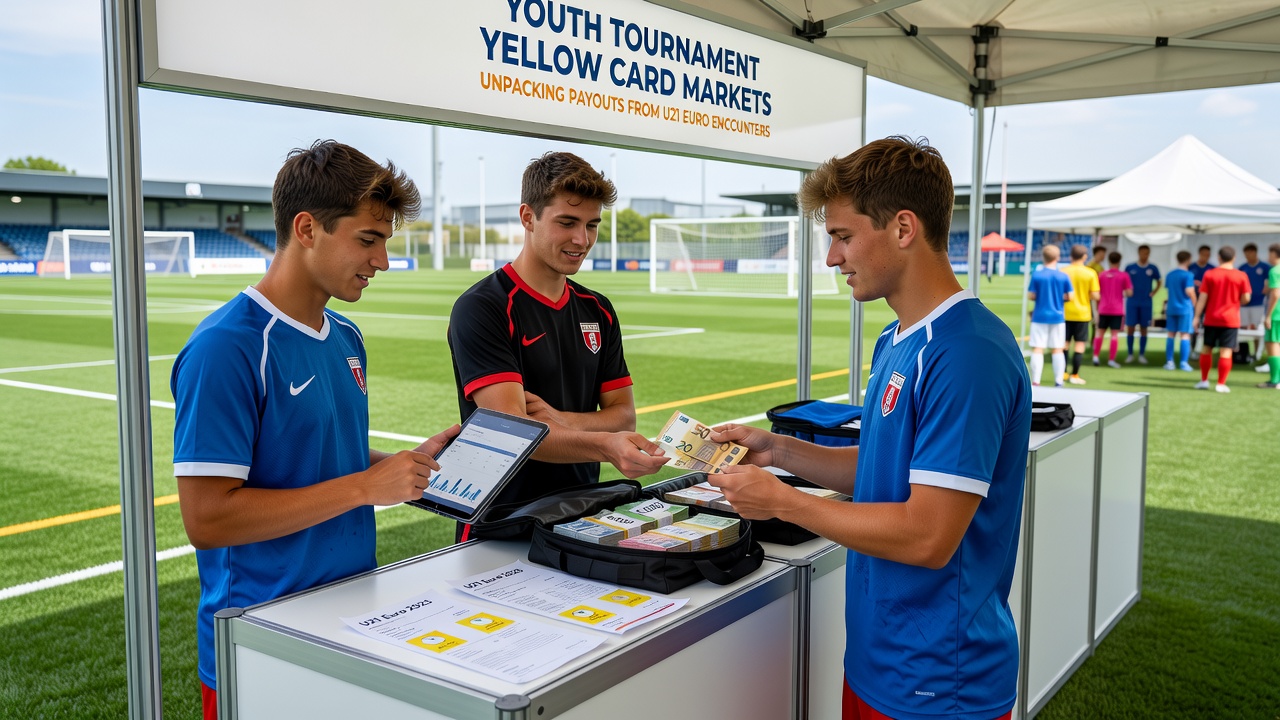
Youth Tournament Yellow Card Markets Unpacking Payouts from U21 Euro Encounters
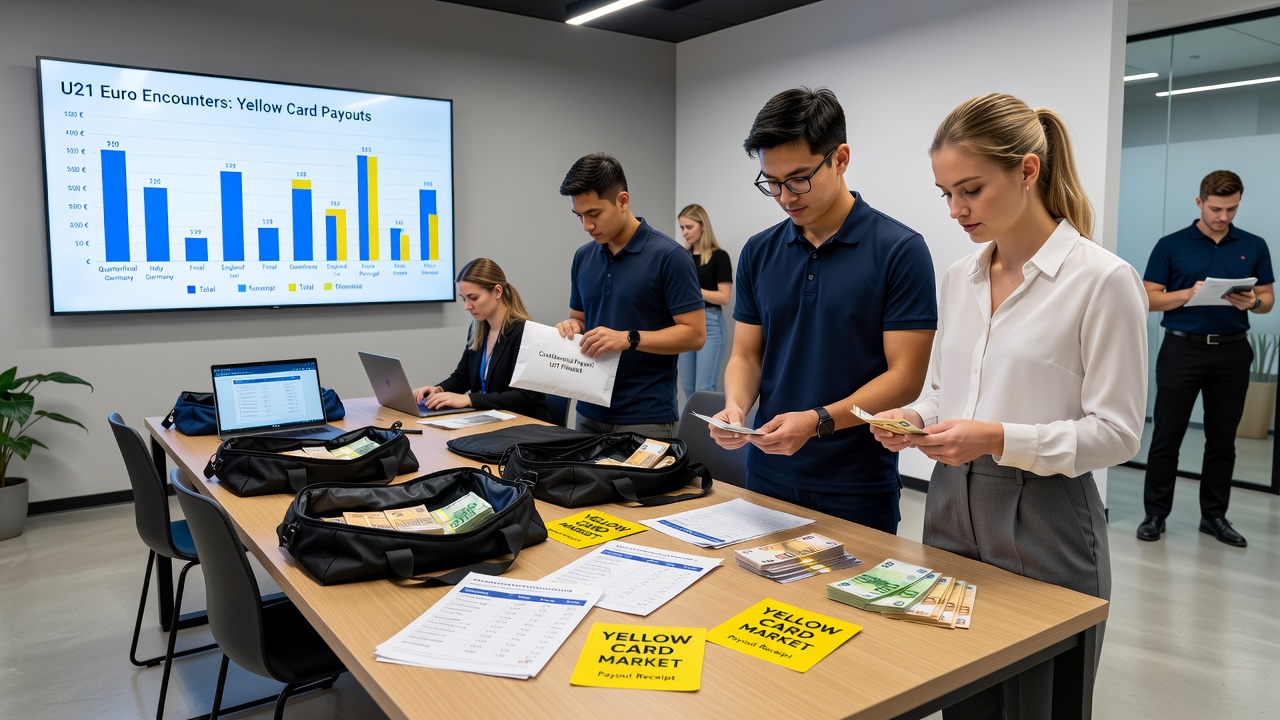
Yellow card betting markets have gained traction among those tracking U21 European Championship encounters where disciplinary actions often shape match outcomes and payout structures. Observers note that these tournaments feature faster tempos combined with less experienced officiating which leads to elevated card counts in many fixtures and data from recent cycles shows average bookings per game hovering around 5.2 across group stages.
Market Structures and Available Options
Bookmakers structure yellow card markets around several core categories including total cards over or under specific thresholds, first yellow card timing, player to receive the first booking, and both teams to receive cards. These options draw from historical patterns where midfielders and defenders accumulate higher percentages of cautions than forwards according to UEFA compiled statistics while matches between teams with contrasting styles tend to produce more cards overall.
Researchers at the European Gaming and Betting Association have documented how youth competitions differ from senior levels with U21 squads showing a 12 percent higher card rate per 90 minutes in comparable fixtures. This difference stems from tactical naivety and physical mismatches that prompt referees to intervene more frequently and those patterns create opportunities for bettors who analyze team tendencies rather than relying on general trends.
Historical Payout Trends in U21 Encounters
Analysis of U21 Euro matches from 2019 through 2023 reveals that over 4.5 total cards paid out in 61 percent of games while first yellow card before the 30th minute occurred in 38 percent of encounters. Specific nations like England and Spain consistently rank among the higher card accumulators due to their high-pressing approaches whereas teams from Eastern Europe often feature more disciplined defensive units that reduce overall bookings.
One study from the Australian Institute of Family Studies examined betting behaviors around disciplinary markets and found participants who reviewed player-specific data achieved better long-term results than those using blanket over/under strategies. The report highlighted how certain midfield enforcers in U21 squads accumulate cautions at rates exceeding senior counterparts because of aggressive tackling styles that persist into tournament play.
July 2026 Context and Upcoming Fixtures
With qualification cycles advancing toward the next major youth events preparations for July 2026 fixtures have already influenced early market lines on yellow cards. Teams competing in preliminary rounds demonstrate card tendencies that carry forward and analysts track these patterns through regional qualifiers where physicality increases as stakes rise. Data indicates that knockout stage matches produce 0.8 more cards on average than group games due to heightened intensity and fatigue factors.
Regulatory frameworks in regions such as the Canadian Centre on Substance Use and Addiction have reviewed how sports betting markets evolve around youth events and their findings emphasize transparent odds presentation to maintain integrity across international competitions. Those guidelines influence how operators display yellow card lines particularly for tournaments involving multiple federations with varying disciplinary standards.
Key Factors Influencing Card Markets
Referee assignments play a central role in yellow card outcomes since individual officials maintain distinct thresholds for cautions and these patterns become evident when reviewing their previous U21 assignments. Weather conditions and pitch quality also affect play styles with slick surfaces often leading to more sliding tackles that result in bookings while hot climates contribute to player frustration and increased fouls.
Team news regarding suspensions and player availability further shapes market movements because squads missing key defenders frequently see higher card counts as replacements struggle with positioning. Historical head-to-head records between nations provide additional context yet recent form in domestic youth leagues often proves more predictive for tournament behavior.
Conclusion
Yellow card markets within U21 Euro tournaments continue to offer structured betting options based on measurable patterns and statistical records. Participants who examine referee histories, team styles, and tournament phases access data that informs their selections while broader regulatory oversight from bodies across multiple regions supports responsible market operations. As qualification paths develop toward July 2026 events these disciplinary betting categories maintain relevance for those following youth international football closely.