
Video Insights Transforming Timing Wagers in Under-21 European Championships
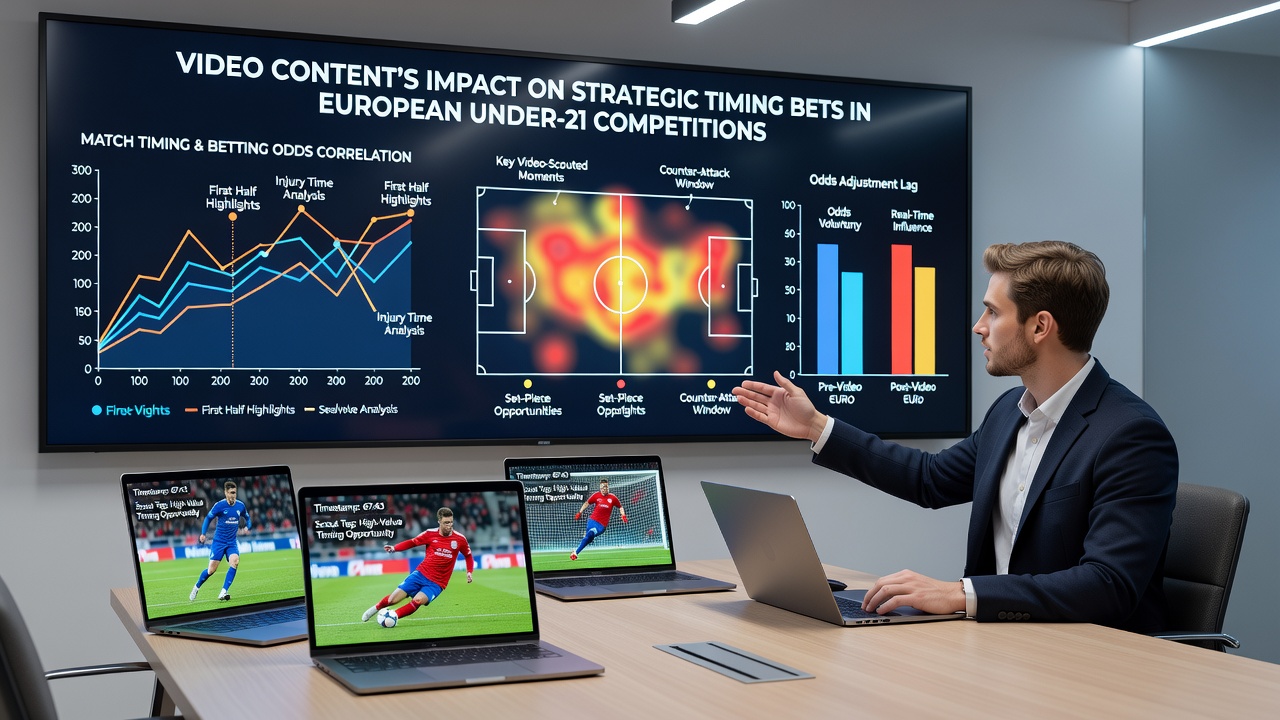
Video content has reshaped how bettors approach strategic timing wagers in European Under-21 competitions, where precise predictions on events like first goals, yellow cards, or substitutions can determine outcomes, and data from official match recordings plus analytical breakdowns provide the foundation for these decisions.
European Under-21 events feature young players whose performances evolve rapidly, which means timing bets require up-to-date visual references that highlight patterns in pace, discipline, and tactical shifts during matches.
Development of Video Resources for Competition Analysis
Broadcasters and governing bodies have expanded access to high-definition replays, tactical overlays, and statistical visualizations over recent seasons, allowing observers to track metrics such as average time to first booking or goal-scoring intervals across multiple fixtures.
These resources include extended highlights that isolate set-piece situations and player movements, while full-match archives from UEFA competitions supply raw data that researchers cross-reference with historical timing records.
Studies from institutions like the University of Sydney's gambling research unit show increased engagement with video-based tools among bettors focused on European youth tournaments, because such material reveals recurring sequences that static statistics often overlook.
Application to Timing Bet Categories
Strategic timing bets encompass wagers on the exact minute of the first goal, the occurrence of cards within specific windows, and substitution timings, all of which benefit from video scrutiny that captures referee tendencies and team pressing styles.
Analysts note that Under-21 matches often exhibit faster transitions in the opening 15 minutes compared with senior fixtures, and video segments demonstrating these trends help refine expectations around early-event probabilities.
According to figures from the European Gaming and Betting Association, volumes for timing markets in youth competitions have risen steadily, driven by content that breaks down individual player profiles and collective defensive structures through frame-by-frame examination.
Integration of Video Data in June 2026 Preparations
As European Under-21 squads prepare for upcoming cycles that extend into June 2026 qualifiers and friendlies, video libraries from prior tournaments serve as benchmarks for identifying shifts in playing styles among new generations of players.
Coaches and data teams compile footage showing how fatigue affects late-match discipline, which in turn informs models used for bets on cards after the 70th minute or stoppage-time goals.
Those who review these archives regularly report improved accuracy in projecting event windows, since visual context clarifies variables such as weather impacts or pitch conditions that influence timing outcomes.
Case Examples from Recent Tournaments
One tournament review revealed that teams employing high defensive lines conceded first goals later on average, a pattern confirmed through video sequences rather than box-score summaries alone, and this insight directly influenced timing bet selections in subsequent rounds.
Another instance involved referees who issued early cautions more frequently in group-stage matches, a tendency documented in slow-motion replays that allowed bettors to adjust thresholds for first-card markets accordingly.
Research published by the Canadian Centre for Gaming Research indicates that access to such targeted video content correlates with more calculated approaches to timing wagers, particularly when participants cross-reference multiple camera angles to verify on-field dynamics.
Future Considerations for Content Utilization
Emerging technologies such as AI-assisted tagging within video platforms continue to streamline the identification of timing-relevant moments, reducing the manual effort required to extract actionable details from lengthy match recordings.
Regulatory frameworks across EU member states encourage responsible use of analytical tools, and industry reports emphasize transparency in how video-derived statistics reach public audiences ahead of major youth events.
Continued growth in mobile video consumption means participants can review clips between fixtures, which supports ongoing refinement of timing strategies throughout tournament schedules.
Conclusion
Video content supplies the detailed visual evidence that underpins strategic timing bets in European Under-21 competitions, connecting raw match footage with observable patterns in goals, cards, and substitutions. As data sources expand and analysis methods advance, these resources maintain their role in supporting factual, evidence-based approaches to such markets.