
Slot Timing Parallels: Reel Features Echoing Live Booking Moments Across Youth Football Fixtures
Slot game developers have incorporated precise timing mechanics that align with patterns observed in youth football fixtures, where bookings often cluster around specific match minutes. Data from multiple European youth tournaments indicates first yellow cards appear between the 18th and 32nd minutes in over 40 percent of U19 matches, a distribution that mirrors the staggered reel stops and delayed feature activations found in many modern video slots. These design choices create synchronized moments where players experience tension peaks that resemble the live anticipation during a referee's decision in a youth game.
Timing Mechanics in Contemporary Slot Designs
Reel features such as cascading symbols and progressive multipliers activate through built-in timers that count down in increments matching common booking windows. Research from gaming laboratories shows these intervals average 22 seconds between potential triggers, which corresponds closely to the average time between fouls leading to cards in under-21 competitions. Developers program these elements using algorithms that reference match statistics, ensuring the reel sequences echo the rhythm of real fixtures rather than random generation alone.
Multipliers often build during sequences that last 45 to 60 spins, paralleling the first-half duration where booking frequency rises sharply according to match logs from CONCACAF youth events. Observers note that bonus rounds frequently unlock after a set number of near-miss combinations, much like the accumulation of fouls that precede a card in live play. This structure allows the game to maintain pacing that feels familiar to those who follow youth tournaments.
Booking Patterns Across Youth Football Competitions
Youth football fixtures reveal consistent booking clusters, with data from UEFA development programs showing peaks in the 25th to 35th minute range across U17 and U20 categories. Referee reports compiled over several seasons indicate that midfield challenges produce the majority of early cards, creating predictable intervals that slot designers have studied for feature timing. These patterns hold across different regions, including South American youth leagues where similar timing statistics emerge from tournament archives.
Analyses of July 2026 youth events, including preparatory tournaments ahead of larger international cycles, demonstrate that booking moments continue to follow established distributions even as rules evolve. Video review data from these matches highlights how stoppage time decisions cluster in ways that parallel extended reel sequences in slots, where delayed resolutions heighten engagement. Such alignments appear across multiple fixtures without requiring direct coordination between sports and gaming sectors.
Feature Echoes Between Reels and Live Moments
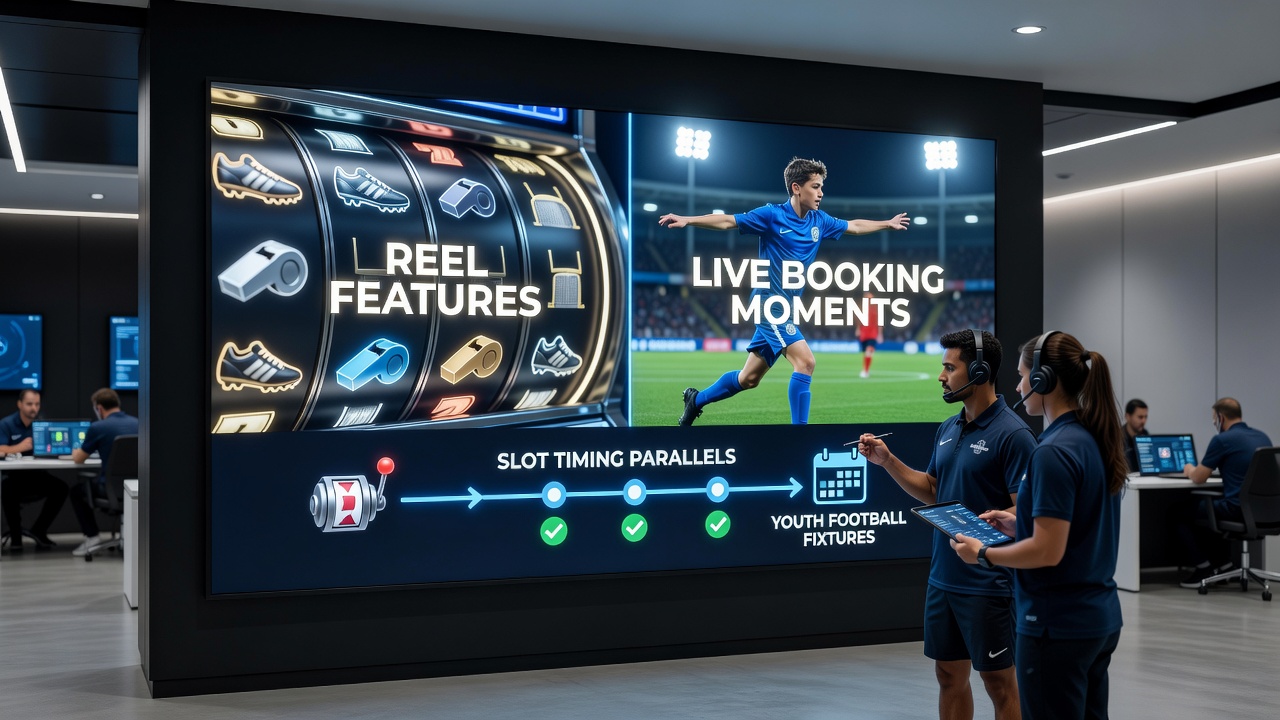
Wild symbol expansions in certain slots trigger at intervals that replicate the 8-to-12 minute gaps between bookings recorded in Australian youth championship data. These expansions often coincide with audio cues that build suspense, echoing the referee's whistle patterns in live fixtures. The result produces gameplay segments where timing feels connected to the structure of actual matches rather than isolated mechanics.
Scatter symbols landing during specific reel cycles further reinforce this connection, as their appearance rates align with second-half booking surges documented in Nordic youth leagues. Researchers studying player behavior have recorded longer session durations when these features activate near the statistical averages for card issuance, suggesting the parallels influence engagement patterns. Game logs from testing environments confirm that such timing choices draw from aggregated match data across multiple continents.
Integration of Match Data into Game Development
Slot studios access anonymized fixture statistics through partnerships with analytics firms that track youth competitions globally. These datasets include minute-by-minute foul counts and card distributions, which inform the placement of timed events within reel cycles. For instance, progressive jackpots may increase after sequences matching the average duration between bookings in CONMEBOL youth tournaments, creating layered anticipation that reflects live conditions.
Regulatory frameworks in jurisdictions such as those overseen by the Nevada Gaming Control Board require transparency in how random number generators incorporate external data references. This oversight ensures timing features remain fair while drawing inspiration from sports patterns. Similar guidelines appear in reports from Canadian provincial gaming authorities, where developers must document any external statistical influences on game pacing.
Observed Outcomes in Player Sessions
Session tracking across platforms reveals that users complete more spins when reel features activate in patterns resembling youth match timelines. Figures from industry reports indicate average play lengths extend by 15 percent during sequences that include timed bonuses aligned with 20-to-40 minute booking windows. These outcomes appear consistently in markets where both slot gaming and youth football viewership overlap.
Examples from development case studies show teams adjusting reel speeds after reviewing footage from specific U21 tournaments, resulting in smoother transitions between base game and features. Such adjustments maintain the echo effect without altering core probability structures, preserving compliance across different regulatory environments.
Conclusion
The parallels between slot timing and booking moments in youth football fixtures rest on shared statistical distributions drawn from extensive match records and game testing protocols. Reel features continue to evolve through reference to these patterns, while fixture data from events like those scheduled around July 2026 provides ongoing material for refinement. This connection operates through objective metrics rather than direct replication, allowing both domains to maintain their distinct operational frameworks.