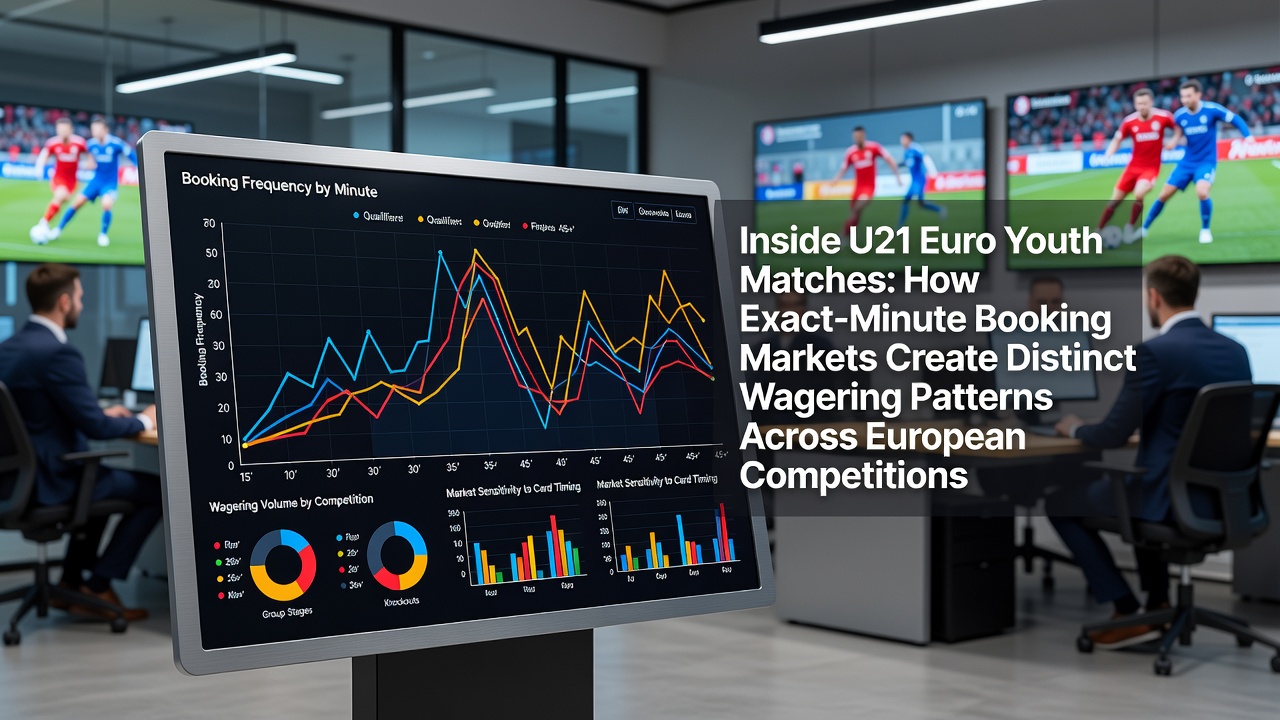
Inside U21 Euro Youth Matches: How Exact-Minute Booking Markets Create Distinct Wagering Patterns Across European Competitions
Exact-minute booking markets have gained traction in U21 Euro youth competitions because they allow bettors to wager on the precise timing of the first yellow card rather than simply whether a booking will occur. These markets operate through detailed statistical models that track referee tendencies, player aggression levels, and match tempo across different stages of the tournament. Data from previous cycles shows that youth squads often produce earlier bookings than senior teams due to higher physical intensity combined with less tactical discipline.
Market Mechanics in Youth Tournaments
Bookmakers set minute-specific odds by analyzing historical footage and referee data from qualifying rounds plus final tournaments, while factors such as pitch conditions, team rankings, and even weather reports feed into the algorithms. In U21 fixtures the first booking frequently lands between the 12th and 28th minutes because young players press higher and commit more mistimed challenges early on. Observers note that these patterns hold steady across multiple editions of the competition even as squads rotate between cycles.
Regional Variations Across Europe
Northern European sides tend to generate later first bookings than their southern counterparts because of differences in playing styles and referee interpretation. Matches involving teams from Scandinavia or the Baltic region show average first-yellow timings around the 31-minute mark, whereas groups featuring Mediterranean or Balkan squads often see bookings before the 20-minute threshold. According to UEFA competition records, these geographic clusters remain consistent year after year and create identifiable value opportunities for bettors who track the data.
Statistical Patterns and Timing Clusters
Analysis of U21 Euro matches reveals distinct clusters where the probability of a first booking spikes. The 8-to-15-minute window produces an elevated rate because teams test boundaries during the opening phase, while a secondary cluster appears between minutes 35 and 42 as fatigue sets in before halftime. Researchers from the European Gaming and Betting Association have documented that these clusters shift slightly during knockout stages when stakes rise and referees apply stricter standards. August 2026 will feature several U21 qualifier double-headers that could further test whether these timing bands remain stable under compressed schedules.
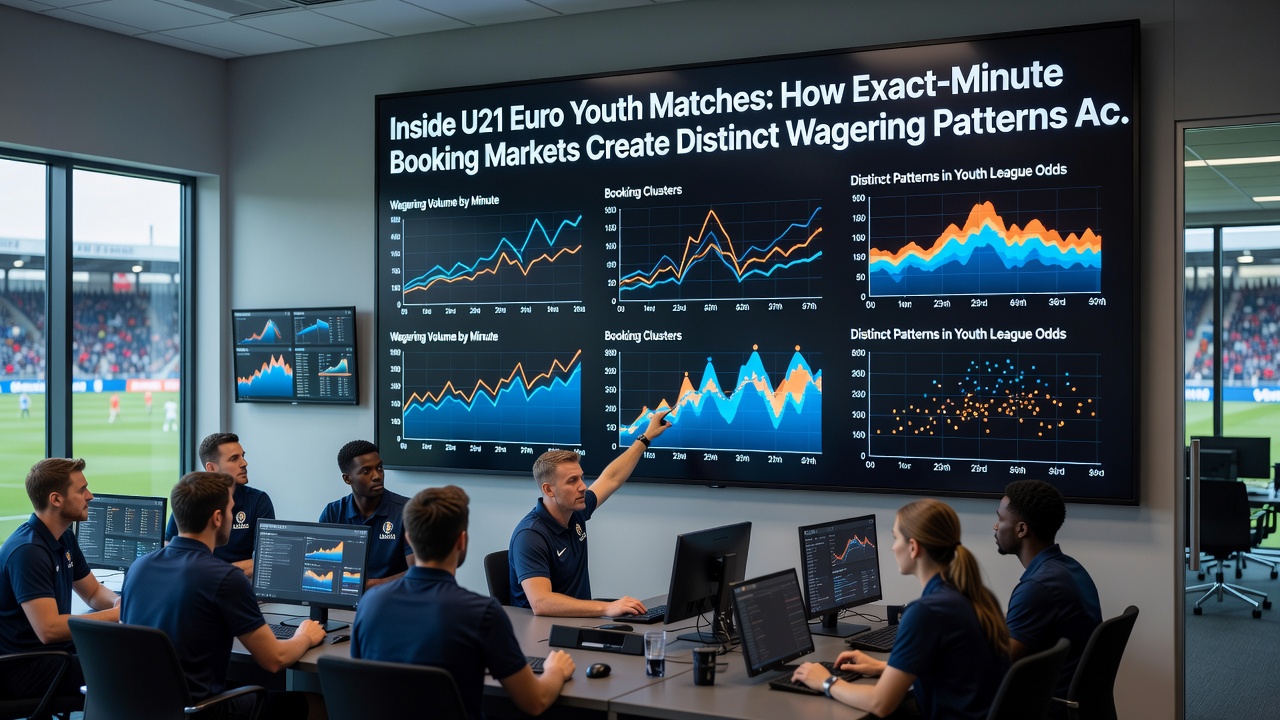
Impact of Referee Assignments
Referee nationality and experience level influence exact-minute outcomes more than many realize. When officials from leagues with stricter disciplinary records handle U21 games, the first booking often arrives earlier because they issue cautions for tactical fouls that other referees might overlook. Data compiled across the last three tournament cycles indicates that certain referee cohorts produce first bookings inside the opening 18 minutes at nearly double the rate of their peers. Bettors who cross-reference referee histories with team playing styles can identify edges that standard over/under booking markets miss.
Comparative Wagering Behavior
Across European youth competitions the exact-minute market attracts a different demographic than traditional match-winner or total-goals bets. Participants often combine minute-specific wagers with live in-play adjustments once the opening ten minutes reveal whether the match tempo matches pre-game projections. This layered approach creates distinct volume spikes on betting platforms during the early stages of each fixture. Studies conducted by the Australian Institute for Gambling Research highlight that such micro-timing markets exhibit lower house edges in regulated environments when operators publish transparent statistical breakdowns.
Conclusion
Exact-minute booking markets continue to carve out a specialized niche within U21 Euro coverage by turning granular referee and player data into structured wagering options. Patterns tied to geography, referee profiles, and tournament phase remain observable across multiple seasons, giving those who follow the numbers a framework for interpreting timing probabilities. As August 2026 approaches and new qualifier schedules emerge, these markets are likely to maintain their appeal for bettors seeking alternatives to broader outcome-based propositions.