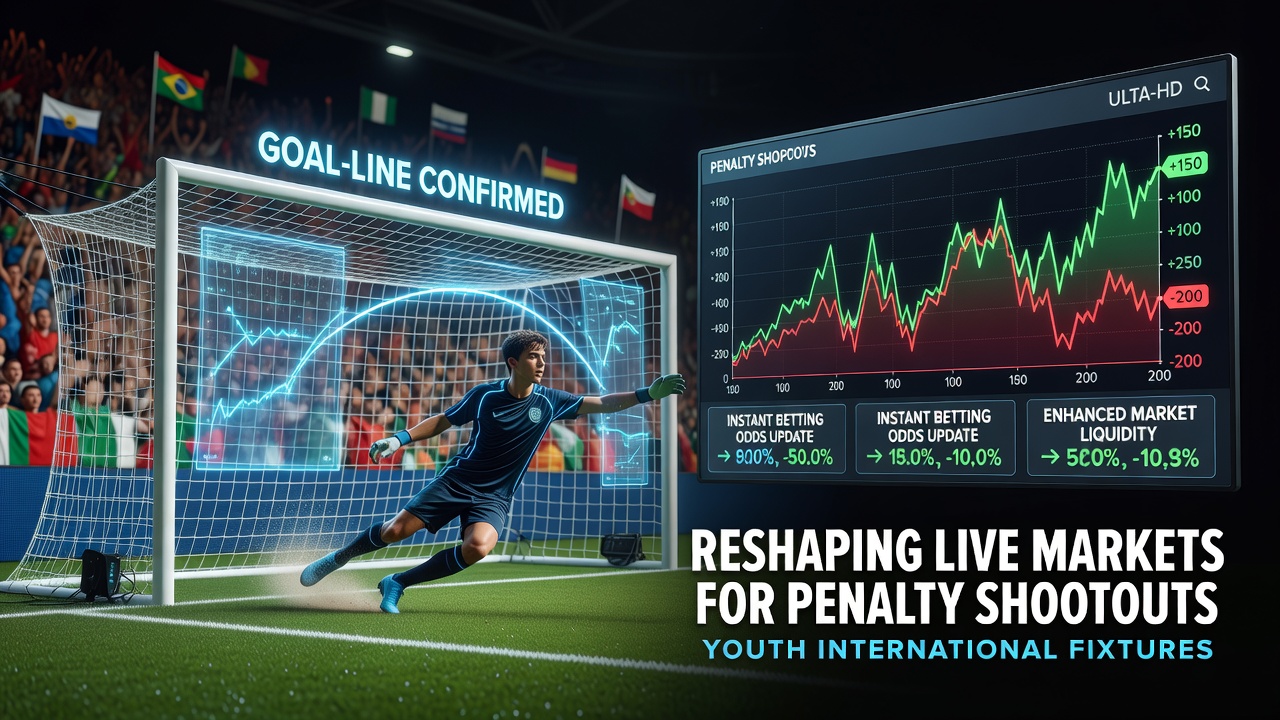
Goal-Line Technology Advancements and Their Effects on Penalty Shootout Live Betting Markets in Youth International Matches
Goal-line technology systems have undergone several upgrades in recent years, with sensors and camera arrays now delivering confirmation of ball position within milliseconds during critical moments such as penalty shootouts, and these changes appear in youth international fixtures where governing bodies have expanded equipment deployment across age-group competitions. Data from tournament organizers shows that the latest iterations integrate additional high-speed cameras along with refined algorithms that reduce false positives when the ball hovers near the line, which in turn influences how live betting platforms adjust odds in real time once a decision reaches the referee's watch. Observers note that youth matches at events like the FIFA U-20 World Cup and UEFA European Under-21 Championship have incorporated these systems more consistently since 2023, creating standardized protocols that previously applied mainly to senior levels.
Deployment Patterns Across Youth Competitions
Youth international fixtures now feature goal-line technology in a growing number of confederation events, with FIFA reports indicating full coverage at the 2025 Under-17 World Cup and plans extending into 2026 tournaments, while regional bodies such as the Asian Football Confederation and Confederation of African Football have begun phased rollouts that align equipment standards with global specifications. These installations use a combination of magnetic field sensors embedded in the ball and goalposts alongside optical tracking, and the upgrades include improved calibration routines that account for varying pitch conditions common in youth venues. Figures from match operations reveal that average decision delivery time has dropped below 0.5 seconds in recent tests, allowing referees to maintain game flow during shootouts where multiple kicks occur in quick succession.
Mechanics of Penalty Shootout Verification
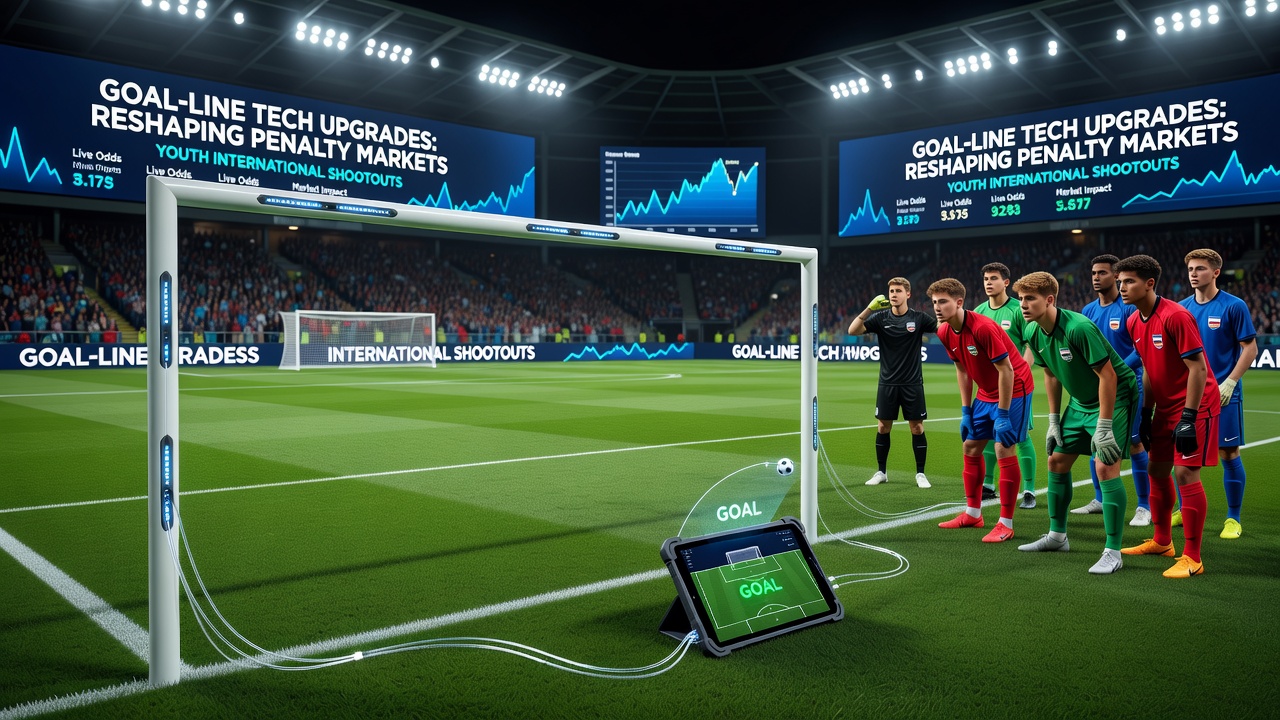
During penalty shootouts the system activates a dedicated mode that prioritizes goal-line monitoring over general play tracking, and this setup transmits data directly to the referee's wearable device without requiring manual intervention from video assistant referees in most cases. Tournament records demonstrate that borderline calls, such as those involving deflections or partial crossings, receive instant visual confirmation on stadium screens, which reduces the duration of disputes and keeps the sequence of kicks moving at a predictable pace. Researchers from sports engineering programs have documented how software updates handle variables like ball spin and weather effects more accurately than earlier versions, thereby minimizing instances where human judgment alone determines outcomes in low-visibility conditions.
Influence on Live Market Adjustments
Live betting operators have adjusted their platforms to incorporate goal-line technology feeds as triggers for market updates, which means odds on individual penalty outcomes or overall shootout results shift immediately after confirmation reaches the on-field official rather than after extended reviews. Industry data collected across multiple youth tournaments shows that markets for next-kick success probabilities stabilize faster because bettors receive verified information without waiting for replays, and this timing shift has altered volume patterns during the brief intervals between kicks. According to technical documentation released by FIFA's technology division, the integration protocols now allow third-party data providers to receive anonymized signals that feed directly into trading engines used by betting platforms.
Platforms operating in regulated markets outside traditional European centers have adopted similar feeds, with examples from Australian wagering operators and North American sportsbooks demonstrating how synchronized timing reduces latency between decision and odds movement. A study published through the Concacaf technical center examined under-20 matches and found that confirmed goal-line calls led to measurable changes in bet settlement speeds, particularly for accumulators that include multiple shootout legs. Those adjustments occur because the technology supplies an authoritative source that betting risk teams can reference without additional verification layers.
Broader Tournament Context in 2026
Preparations for youth events scheduled around June 2026 include expanded goal-line technology coverage at venues that will host preliminary rounds and knockout stages, and organizers have coordinated with equipment suppliers to ensure uniform calibration across different confederations. Match logs from prior cycles indicate that penalty shootouts occur in roughly 12 percent of youth knockout ties, creating repeated opportunities for the upgraded systems to demonstrate their effect on decision consistency. This consistency supports the continuous operation of live markets throughout extended shootout sequences that sometimes stretch beyond the standard five kicks per team.
Conclusion
Upgrades to goal-line technology continue to supply verified data points that reshape how live markets respond during penalty shootouts in youth international fixtures, with faster confirmation times and standardized protocols influencing both on-field procedures and the timing of odds adjustments across multiple regions. Tournament operators and technology providers maintain ongoing calibration programs that align with evolving competition schedules, including those set for 2026. These developments rest on documented performance metrics rather than projected outcomes, and further refinements will likely follow as additional youth events adopt the same equipment standards.