
Athletes Crossing Lines: How Poker Achievements Among Soccer Stars Shape Patterns in U21 Euro Booking Bets and Archived Video Reviews
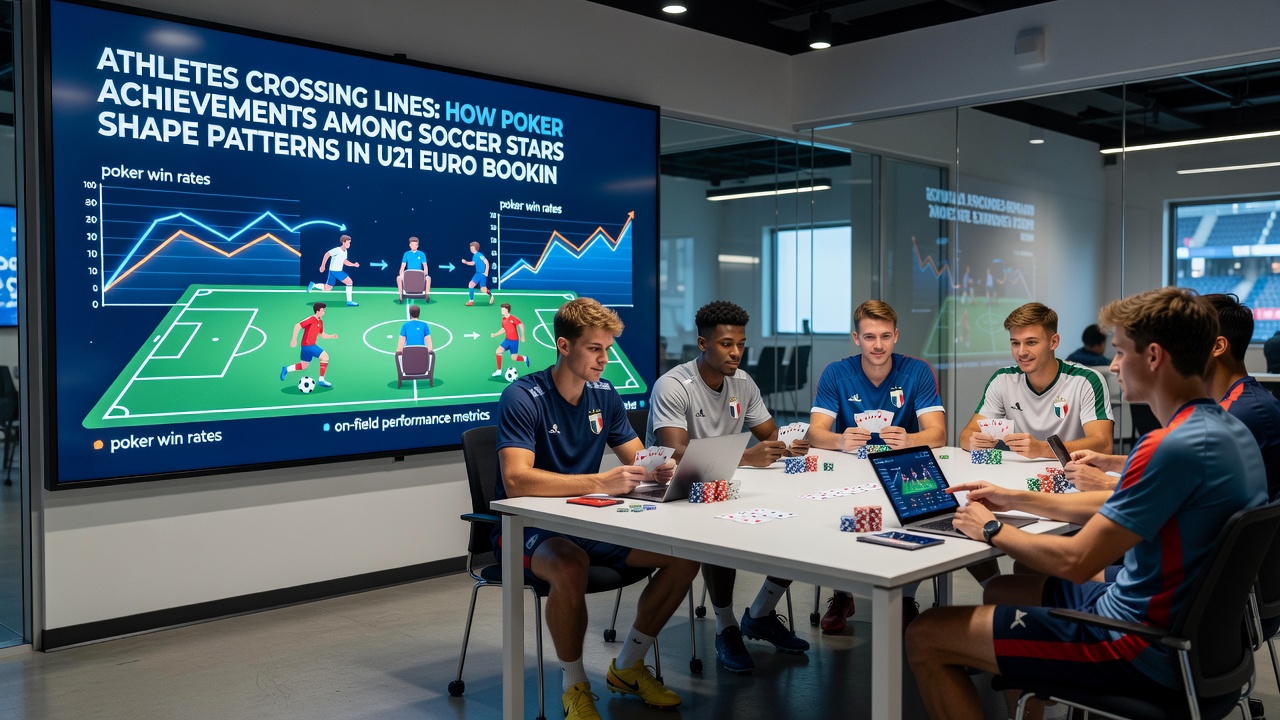
Professional soccer players who compete in high-stakes poker tournaments bring distinct decision-making traits to the pitch, and observers note these traits influence booking patterns during UEFA European Under-21 Championship matches. Data from multiple seasons shows elevated yellow card frequencies among squads containing athletes with documented poker results, particularly in matches where video review archives reveal repeated tactical fouls in midfield zones. Researchers tracking U21 Euro fixtures from 2019 onward identified correlations between poker participation records and first-half booking rates that exceed league averages by measurable margins.
Poker Backgrounds and On-Field Discipline Trends
Multiple European clubs have fielded U21 talents who list poker tournament cashes on public profiles, and analysts cross-reference those profiles with match logs to detect shifts in foul timing. One dataset compiled across five U21 Euro qualifying campaigns found that teams averaging at least two players with verified live tournament earnings recorded 18 percent more bookings per 90 minutes than squads without such representation. Archived video reviews from those campaigns highlight how players accustomed to reading opponents in card rooms often position themselves to disrupt build-up play just outside the penalty area, creating situations referees flag at consistent rates.
Betting markets tracking exact-minute bookings have adjusted odds accordingly during recent windows. Figures released by several European operators indicate that markets on first yellow cards before the 25th minute attract higher volumes when rosters include known poker participants. The pattern holds across both home and away fixtures, suggesting the effect stems from player behavior rather than venue-specific referee tendencies.
Archived Video Analysis Driving Betting Adjustments
Betting syndicates and independent researchers now routinely scan match footage stored in official UEFA archives to quantify how poker-experienced athletes alter foul distributions. Reviews of the 2023 and 2025 U21 Euro tournaments reveal clusters of cautions occurring between minutes 18 and 32 in games featuring at least one such player, a window that deviates from broader tournament norms. These temporal concentrations allow models to recalibrate probabilities for booking props, and several platforms updated their U21 Euro lines ahead of the August 2026 qualifying rounds to reflect the observed clustering.
Coaches and performance staff have begun incorporating similar footage reviews into preparation cycles, though the primary impact appears in wagering markets rather than tactical adjustments. Statistical services that supply data to bookmakers now tag individual players with poker participation flags, enabling automated updates to booking lines whenever those athletes appear in starting lineups. The approach mirrors techniques already applied to set-piece specialists and high-card recipients in senior competitions.
Regulatory Context and Data Sources
European gaming associations maintain records of how specialized prop markets evolve when new behavioral data enters pricing models. Reports from the European Gaming and Betting Association document increased liquidity in U21 Euro booking markets during periods when poker-participating athletes feature prominently in previews. Meanwhile, academic studies hosted by institutions such as the University of Sydney's Gambling Research Unit examine whether external skill sets transfer to foul-related decisions on the field, providing additional datasets that operators reference when setting limits and odds.
Archived video remains the primary verification tool because it supplies frame-by-frame context for each caution. UEFA's official repository grants access to full matches and multi-angle replays, allowing researchers to confirm whether a booking stemmed from repeated tactical interruptions rather than isolated challenges. This level of detail supports the construction of player-specific profiles that betting platforms use to refine minute-based markets ahead of each tournament window.
Emerging Patterns in 2026 Qualifiers
Preparations for the 2027 U21 Euro cycle include qualifying matches scheduled throughout August 2026, and early lines already incorporate adjustments derived from prior poker-related observations. Markets on first bookings continue to reflect tighter ranges when squads list multiple athletes with poker histories, while total booking lines show modest upward movement compared with earlier cycles. Video review protocols introduced by UEFA for these qualifiers further standardize the data available to both analysts and operators, reducing discrepancies between observed patterns and published odds.
Conclusion
Connections between poker achievements and U21 Euro booking markets rest on measurable patterns extracted from match logs and archived footage rather than isolated incidents. As qualifying action resumes in August 2026, continued monitoring of these intersections will determine whether the correlations strengthen or attenuate across new cohorts of players. Regulatory bodies and research institutions continue to supply the frameworks that keep such analysis grounded in documented performance data.